AI Agents Go Mainstream: How Autonomous Assistants Are Reshaping Work in 2026
Autonomous AI agents that plan, book and execute tasks end-to-end have moved from demos to daily tools inside major companies.
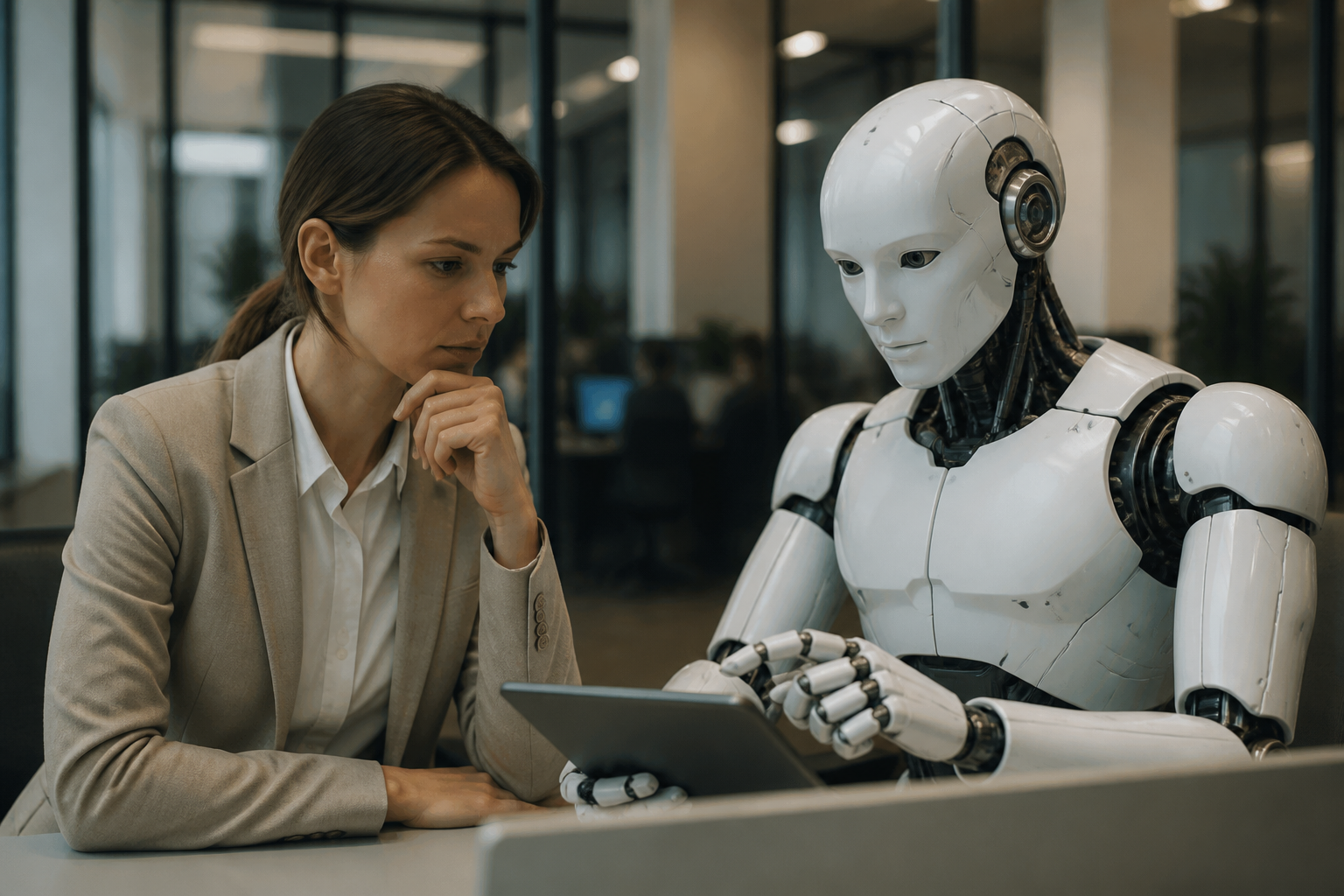
A new generation of AI agents is quietly rewriting how office work gets done. Unlike the chatbots of a few years ago, these systems can plan multi-step tasks, call software tools, and complete jobs with minimal supervision.
Enterprises report that routine workflows — scheduling, procurement, customer triage — are increasingly handled by agents that hand off only edge cases to humans. Analysts estimate double-digit productivity gains in early-adopter teams.
Yet the shift raises fresh questions about oversight, liability and job design. Regulators in several countries are drafting rules requiring human sign-off for high-stakes agent decisions.
For now, the winners appear to be organizations that pair agents with clear guardrails, keeping people focused on judgment while machines handle the busywork.
Related Stories

EU AI Act Phase Two: What the July 2026 Rules Mean for Global Tech
The next tranche of the EU AI Act takes effect this month, forcing foundation-model providers to disclose training data, safety tests, and copyright compliance worldwide.
July 10, 2026
Quantum Computing Crosses a Threshold: First Verified 'Useful Advantage'
A joint experiment reported this week claims the first verifiable quantum advantage on a commercially relevant chemistry problem, marking a real inflection point.
July 8, 2026
The AI Boom Enters Its Infrastructure Era
The next phase of artificial intelligence is less about models and more about the data centers, chips, and power behind them.
July 8, 2026