Cities Reimagined: The Global Push to Build for People, Not Cars
From car-free centers to green corridors, urban planners worldwide are rethinking what a livable city looks like.
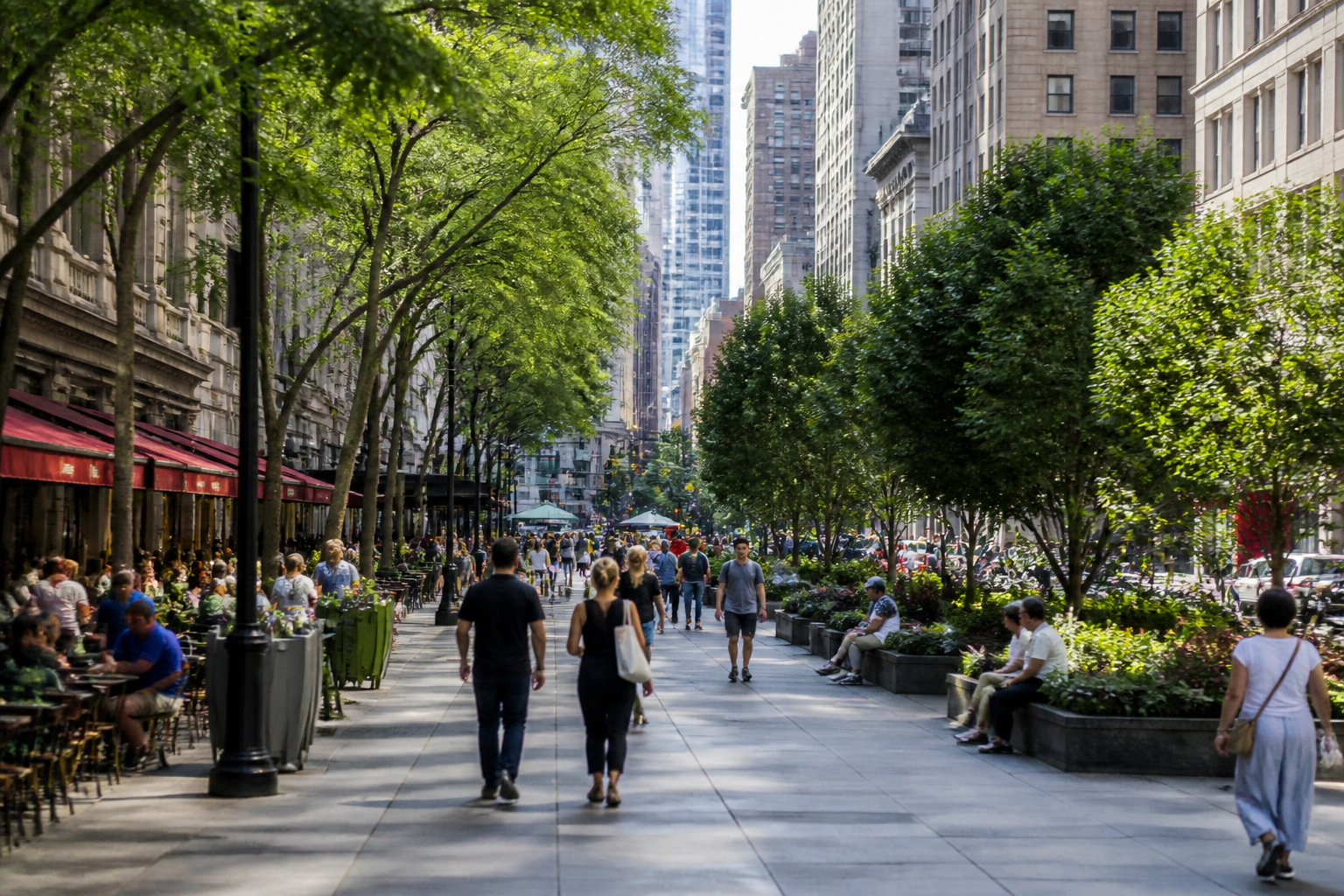
A quiet revolution is transforming cities around the world. Planners, backed by residents demanding cleaner air and safer streets, are rethinking the century-old assumption that urban life must be organized around the automobile.
Car-free zones, expanded bike networks, wider sidewalks and green corridors are reshaping city centers from Europe to Asia to the Americas. The goal is simple: make cities places for people to live, meet and move freely.
The benefits are tangible. Reduced traffic means cleaner air and quieter streets. Reclaimed space becomes parks, plazas and pedestrian avenues. Local businesses often thrive as foot traffic rises.
The transition is not without friction. Drivers, delivery services and some businesses push back against restrictions, and change must be managed carefully to remain fair and inclusive.
Yet the direction of travel is clear. The most admired cities of the coming decades will likely be measured not by how quickly you can drive through them, but by how good it feels to be in them.
Related Stories
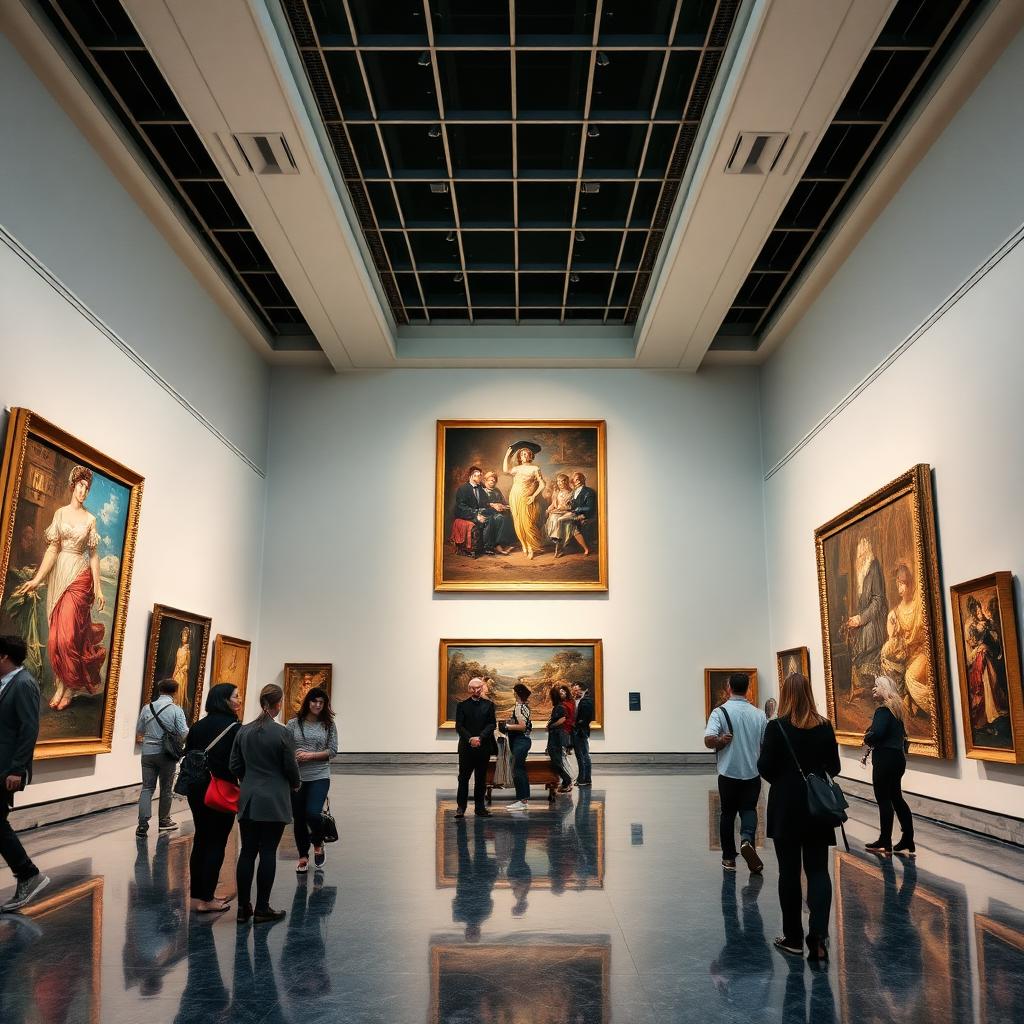
Museums Report Record Attendance as Blockbuster Exhibitions Return in Force
The Louvre, MoMA, and the National Museum of Qatar all set attendance records in the first half of 2026, driven by large-scale retrospectives and immersive design.
July 9, 2026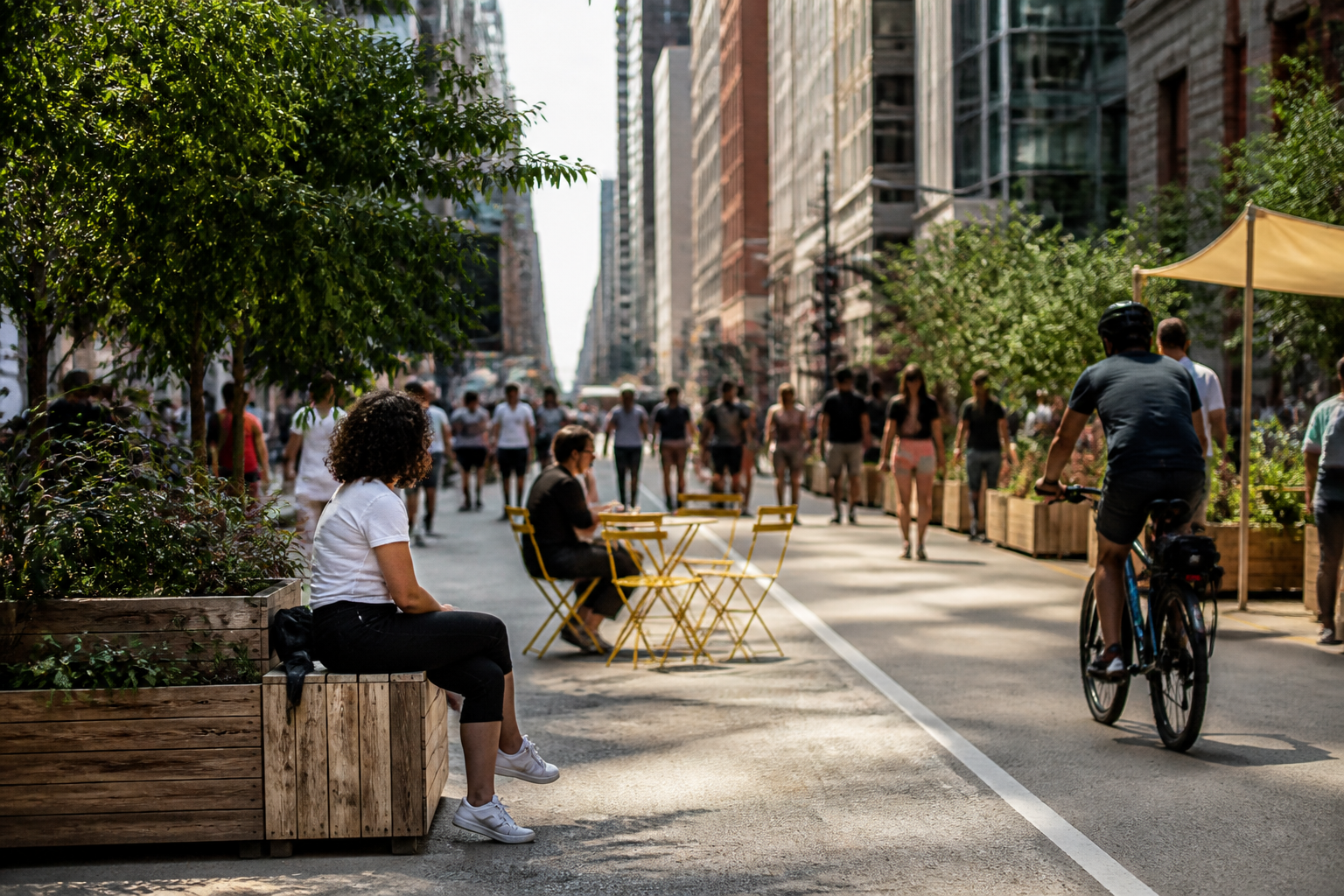
How Global Cities Are Reinventing Public Space
Pandemic-era experiments in car-free streets and pop-up parks are becoming permanent.
July 7, 2026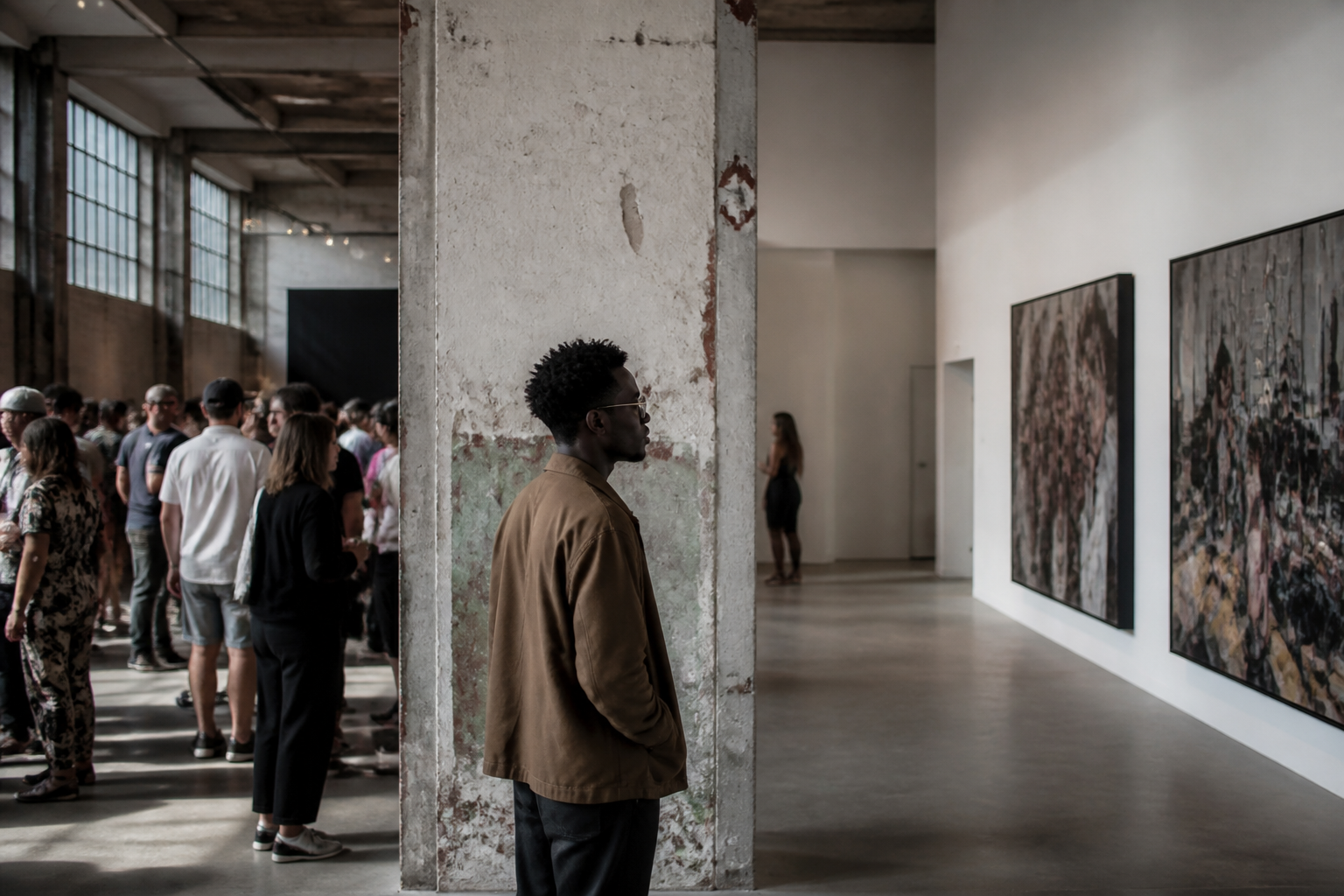
A cultural renaissance is transforming cities once written off
Independent galleries, music venues, and food scenes are breathing new life into overlooked urban centers.
July 6, 2026