Climate Talks End with Cautious Optimism and Unfinished Business
Negotiators struck compromise agreements on finance and emissions, but campaigners warn the pace of action still falls short of what the science demands.
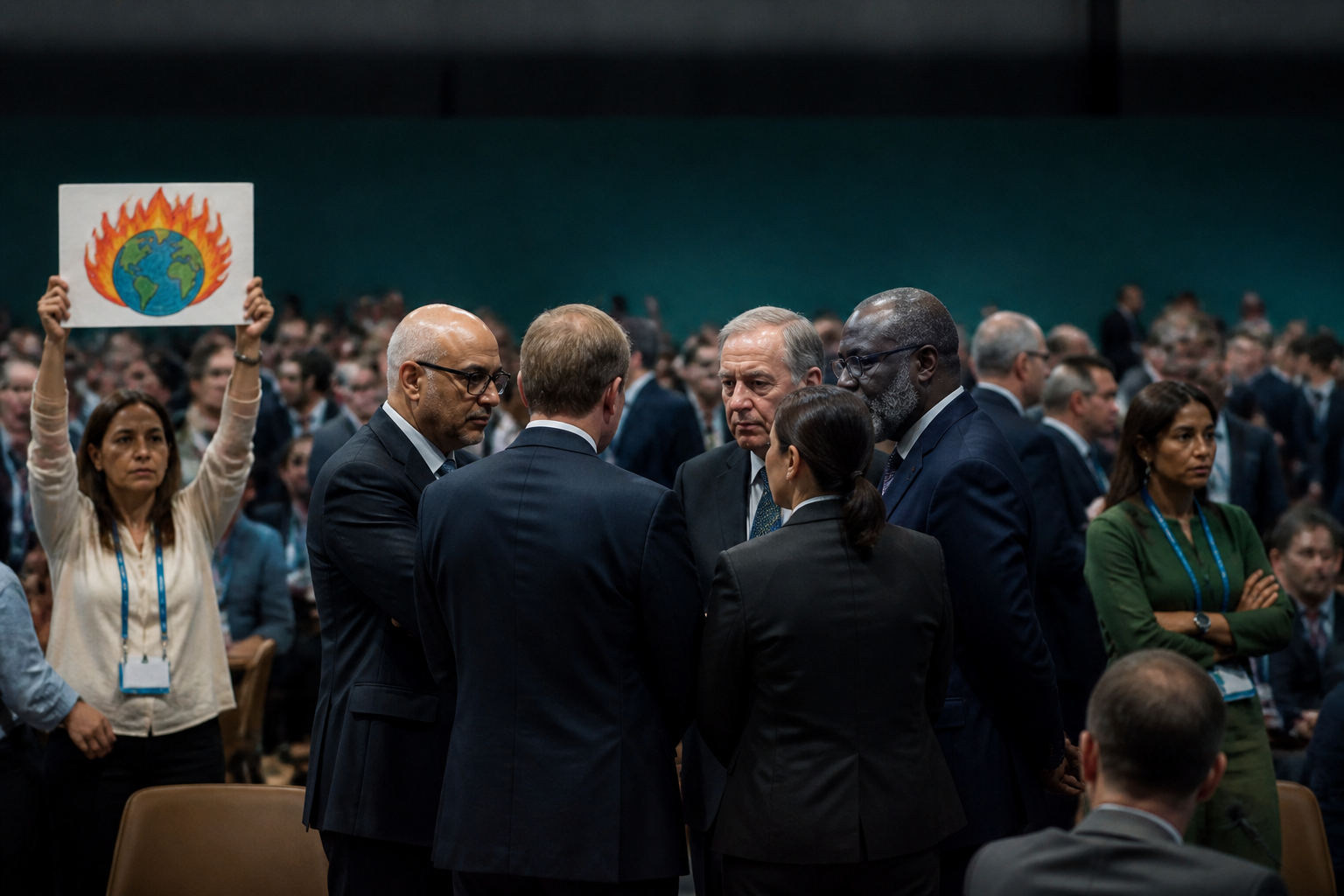
After marathon negotiations, this year's global climate summit closed with a set of compromise agreements that delegates hailed as progress — and critics dismissed as insufficient.
The headline outcome was a strengthened commitment to climate finance, aimed at helping vulnerable nations adapt to worsening extreme weather and transition toward cleaner energy. Wealthier countries pledged additional support, though the details of delivery remain contested.
On emissions, the language was firmer than in previous years, with explicit references to accelerating the shift away from fossil fuels. But binding timelines proved elusive, and several major economies resisted harder targets.
"There is momentum, but momentum is not the same as arrival," said one climate scientist. "The gap between promises and the physics of the atmosphere is still dangerously wide."
For the communities already living with rising seas, prolonged droughts and intensifying storms, the summit's cautious optimism offered little comfort. The real test, as ever, will be whether pledges translate into action.
Related Stories
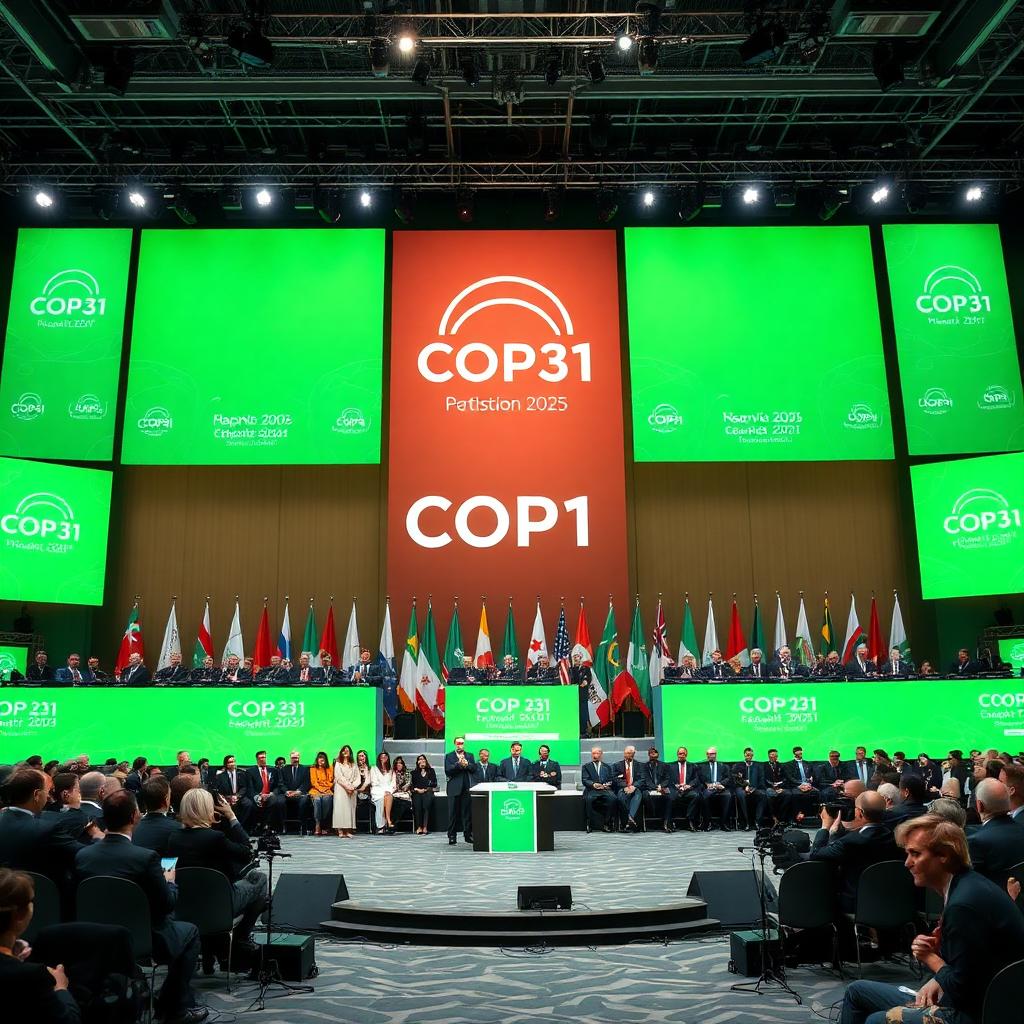
COP31 in Adelaide: Nations Agree on Historic Fossil Fuel Phase-Down Timeline
Delegates from 197 countries adopted the Adelaide Framework, committing to cut fossil-fuel production 43% by 2035 and triple renewable capacity within a decade.
July 10, 2026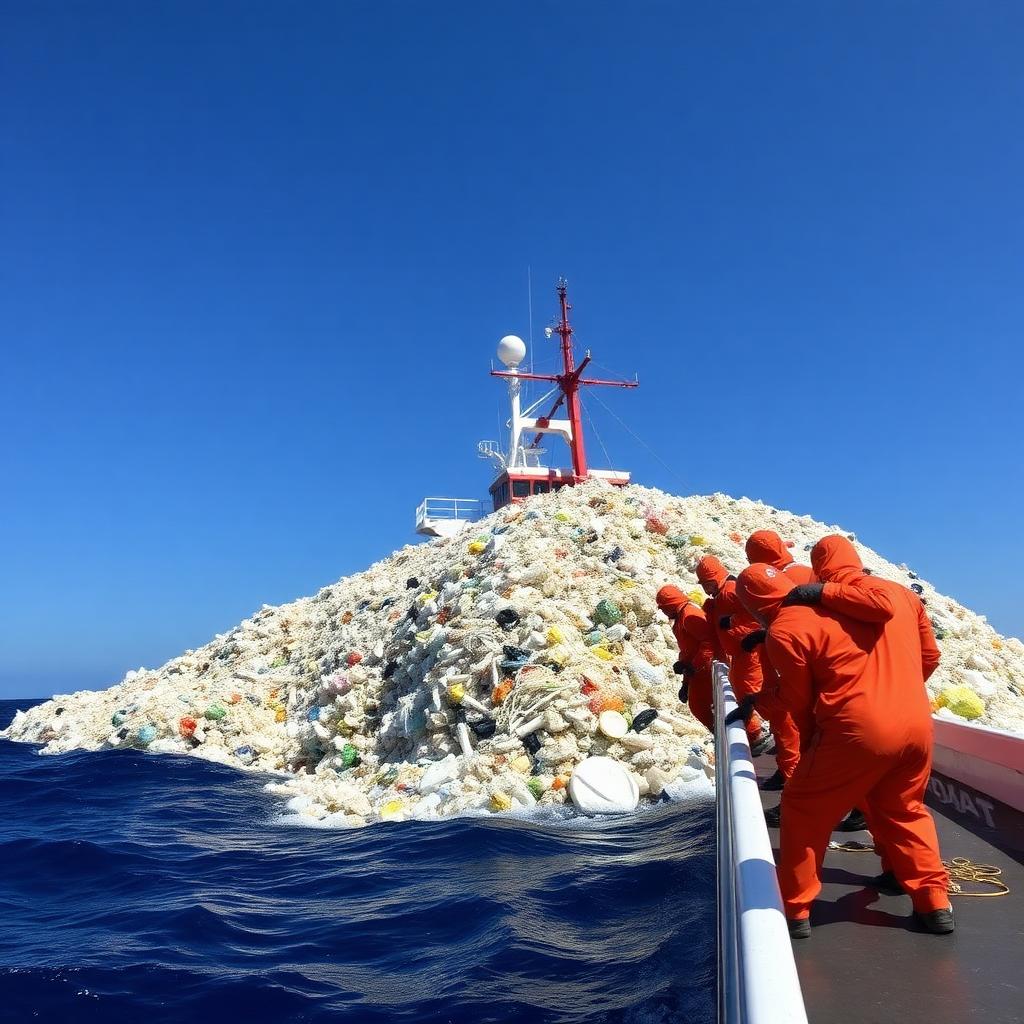
Ocean Plastic Cleanup Program Removes One Million Tons Milestone
A coalition of nonprofits, shipping firms, and coastal states hit the one-million-ton mark this month, but scientists warn upstream policy remains the decisive lever.
July 8, 2026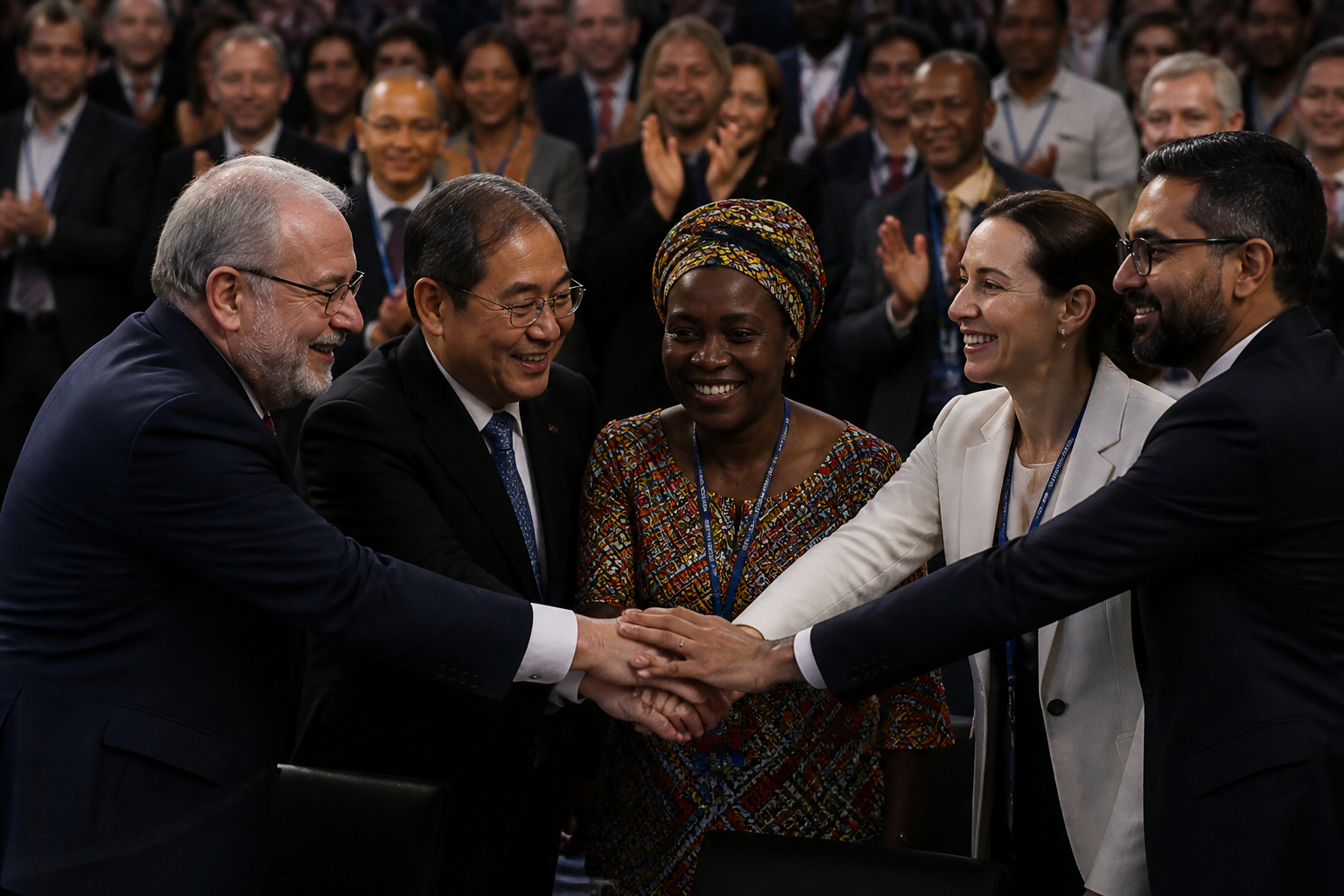
Historic Climate Accord Sets Binding 2035 Emissions Targets
Nations agreed on legally binding interim targets and a fund to help developing economies decarbonize faster.
July 8, 2026