Digital Nomad Visas Enter Their Second Wave — And This Time They're Regulated
Portugal, Japan, and Kenya are among the countries recalibrating remote-work visas as cities push back on housing pressures and tax authorities close loopholes.
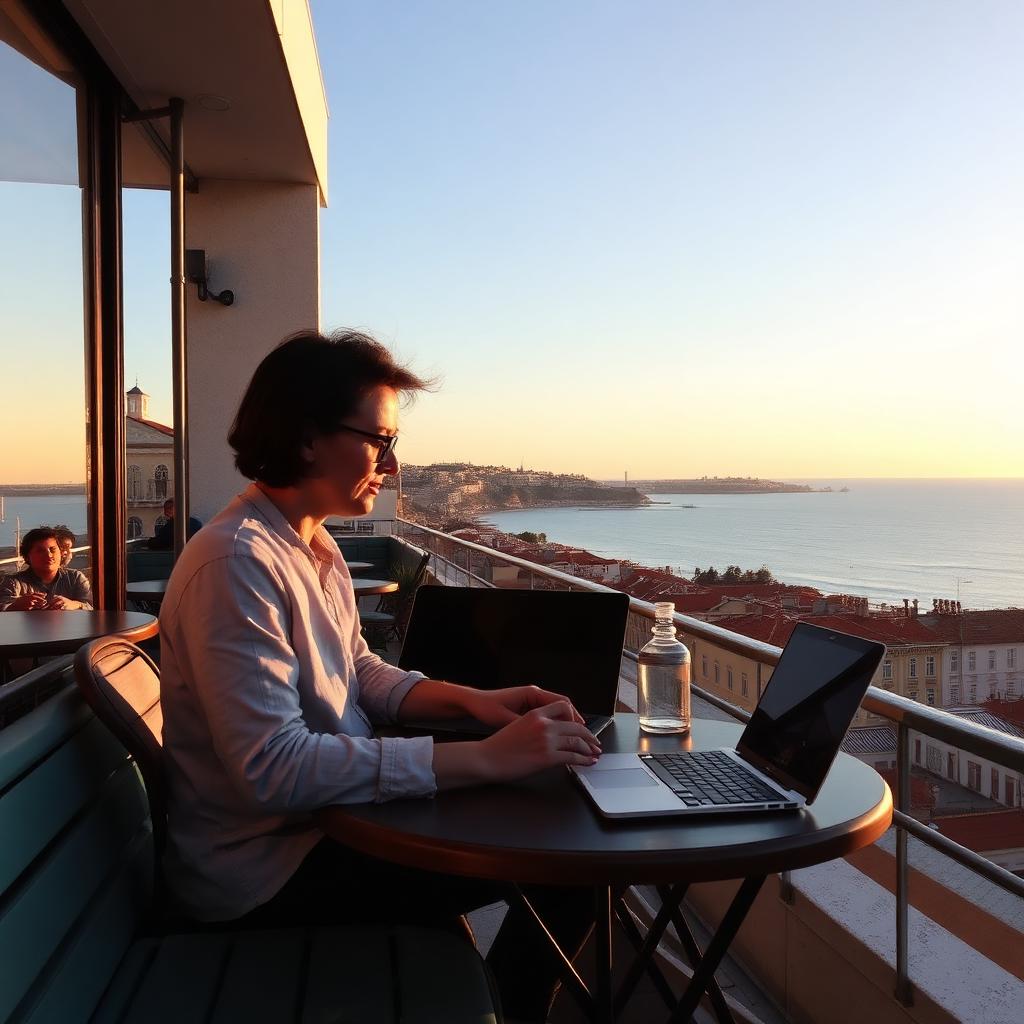
Lisbon — The digital nomad boom that reshaped cities from Lisbon to Bali is entering a more mature phase. Portugal has quietly tightened income thresholds and tax residency rules for its D8 visa, while Japan expanded its two-year 'Highly Skilled Remote Worker' pathway with an explicit focus on regional cities outside Tokyo and Osaka. Kenya's new one-year remote work permit is designed around Nairobi and Diani.
The recalibration reflects the twin realities of the last three years. Nomad visas brought high-earning residents, tax receipts, and vibrant coworking scenes to smaller cities. They also intensified housing pressure, particularly in Lisbon, Mexico City, Medellín, and Bali, where long-term rentals were pushed into short-term platforms.
Governments are responding with more selective programs. Minimum income thresholds are rising — Portugal now requires roughly 3,480 euros per month, up from 2,760. Tax residency is being clarified: several countries now treat 183-day nomads as full tax residents, closing a gray zone that had made the visas especially attractive.
Cities are pairing visas with housing policy. Barcelona has capped short-term rental licenses. Lisbon has moved to reclaim vacant units for long-term supply. Mexico City piloted a rent-stabilization zone in Roma Norte. Where these policies have taken hold, prices have begun to plateau.
Remote workers, in turn, are exploring less saturated destinations. Tbilisi, Split, Da Nang, and Cape Town are all reporting sharp growth in remote-worker arrivals. Coworking chains are expanding accordingly, with Selina, Outsite, and newer entrants opening in second-tier cities.
The overall picture is one of professionalization. What began as a pandemic-era experiment is settling into a durable form of skilled migration — subject to real rules, real taxes, and real trade-offs for the communities that host it.
Related Stories
Slow Travel Movement Redefines the Modern Vacation
Travelers are trading whirlwind itineraries for deeper, longer stays in fewer places.
July 7, 2026
The Return of the City Break: How Travelers Are Rediscovering Urban Escapes
Short, intentional trips to vibrant cities are back in vogue, reshaped by a desire for culture, food and authentic local life.
July 5, 2026
Remote Work Reshapes the World's Most Livable Cities
Digital nomads are redrawing the map of desirable places to live, from coastal towns to mountain hubs.
July 5, 2026