Diplomatic Reset: Rival Powers Signal Willingness to Talk
After months of tension, back-channel discussions have opened a narrow but real path toward de-escalation between rival capitals.
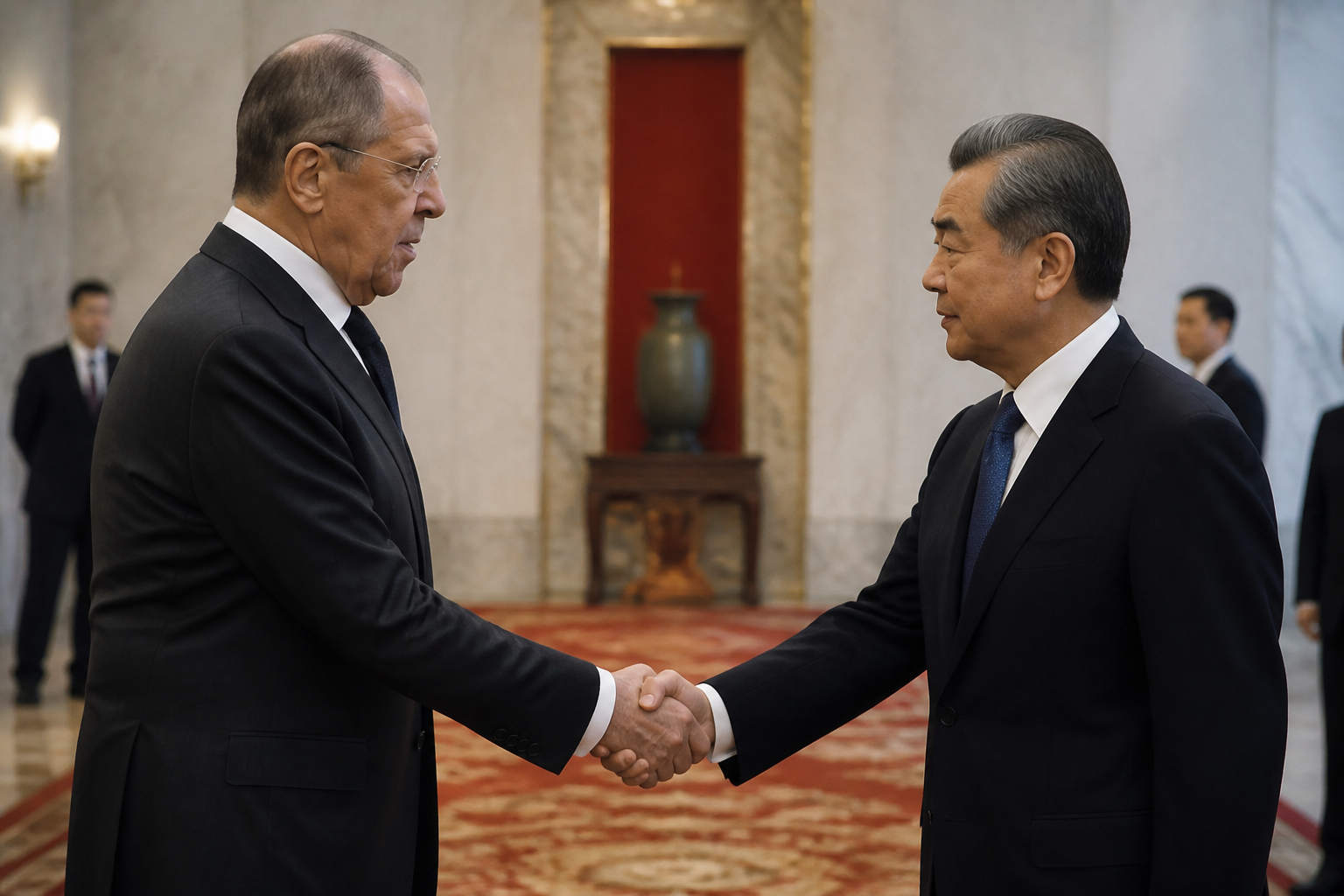
A cautious thaw is underway. After a prolonged period of hostility marked by sanctions, rhetoric and military posturing, rival powers have signaled a willingness to return to the negotiating table.
The shift emerged through quiet back-channel diplomacy, with intermediaries shuttling between capitals to test the ground for formal talks. While no breakthrough has been announced, officials on multiple sides have acknowledged the value of dialogue.
Analysts caution against premature optimism. Deep mistrust, competing strategic interests and domestic political pressures all threaten to derail any process. But the very fact that channels are open marks a meaningful departure from the confrontation of recent months.
"Diplomacy rarely moves in straight lines," said one veteran negotiator. "What matters now is keeping the door open and building small, verifiable steps of trust."
The coming weeks will reveal whether this fragile opening can be widened into something durable — or whether it collapses under the weight of old grievances.
Related Stories
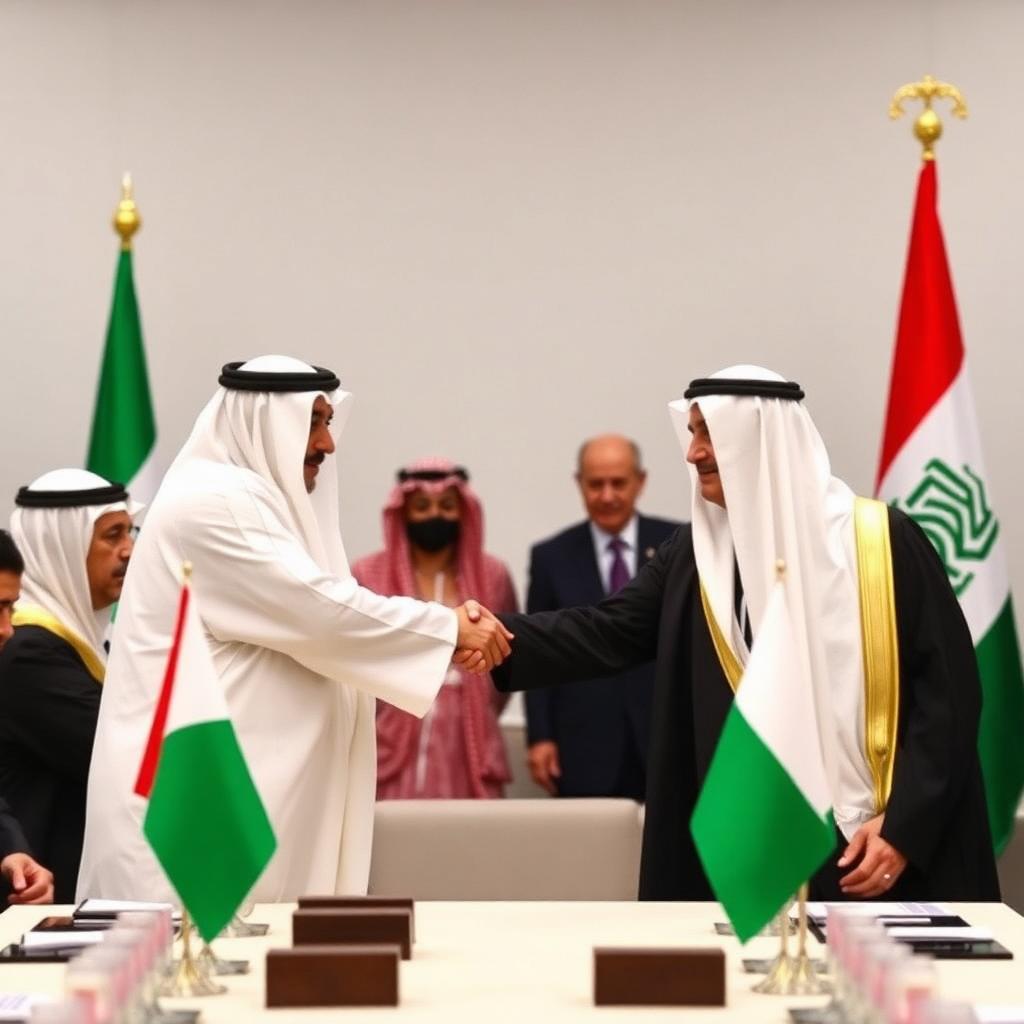
Regional Diplomacy Reopens Middle East Corridor After Six-Month Freeze
A rare multilateral meeting in Muscat produced a phased plan to reopen trade routes and resume prisoner exchanges across three previously frozen borders.
July 9, 2026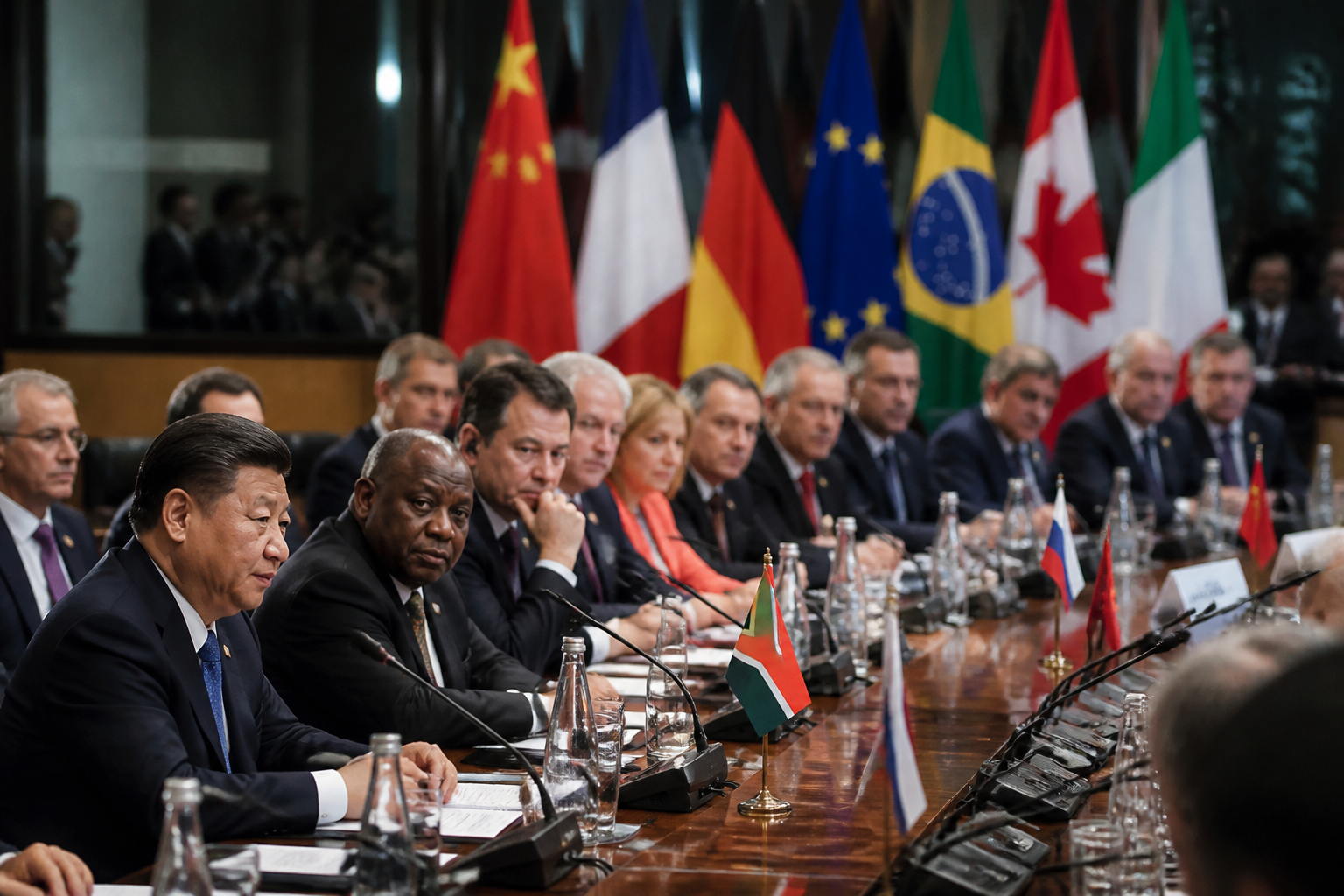
Global leaders convene for high-stakes summit on economic cooperation
Heads of state gathered this week to negotiate trade, security, and climate commitments amid rising geopolitical tension.
July 8, 2026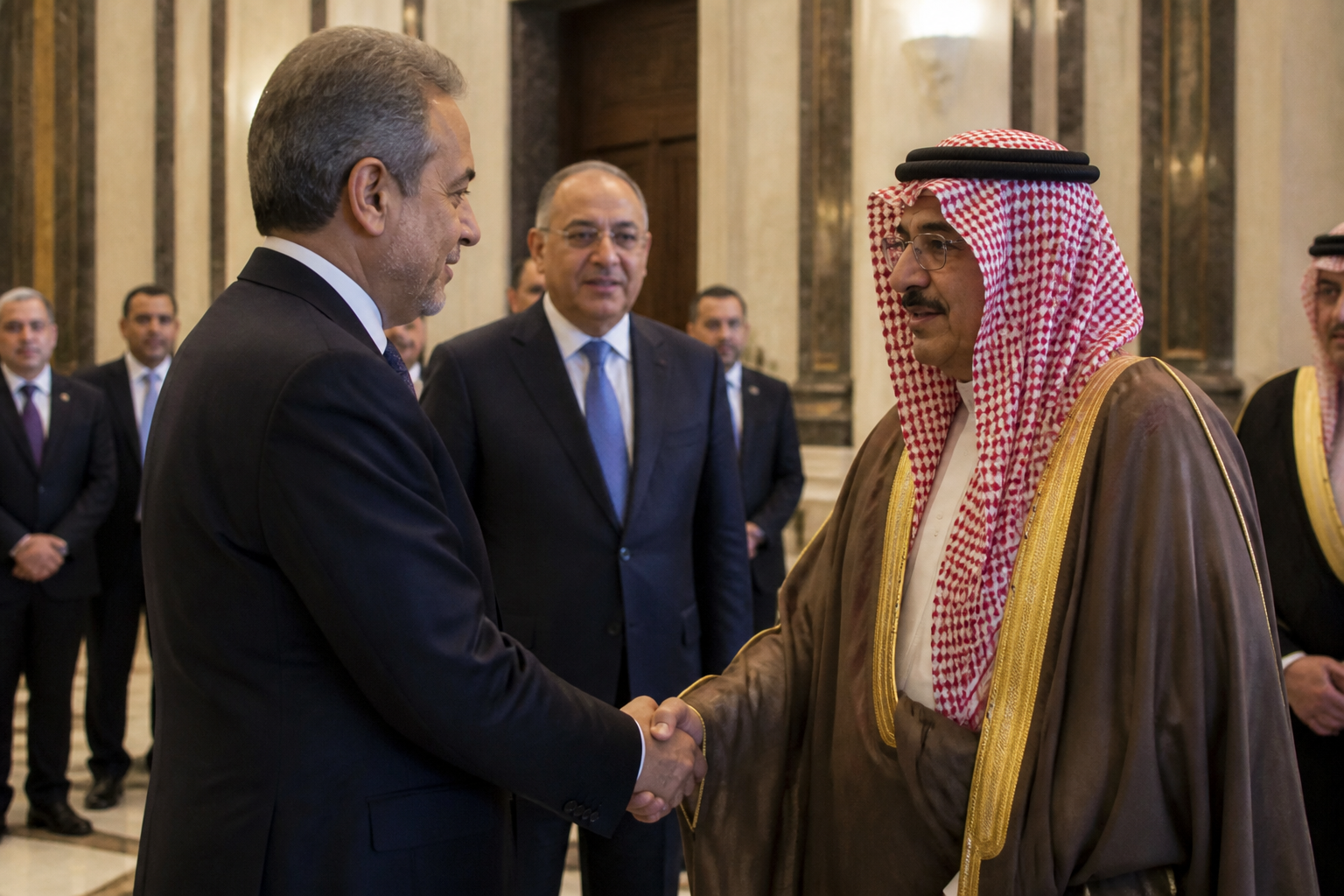
Diplomatic Thaw Reshapes Regional Alliances
A series of quiet negotiations has begun to redraw long-standing political fault lines.
July 8, 2026