U.S. 2028 Race Takes Shape as Both Parties Signal Early Frontrunners
With midterms weeks away, Democratic and Republican donors are already positioning around a small group of 2028 hopefuls, according to filings and interviews.
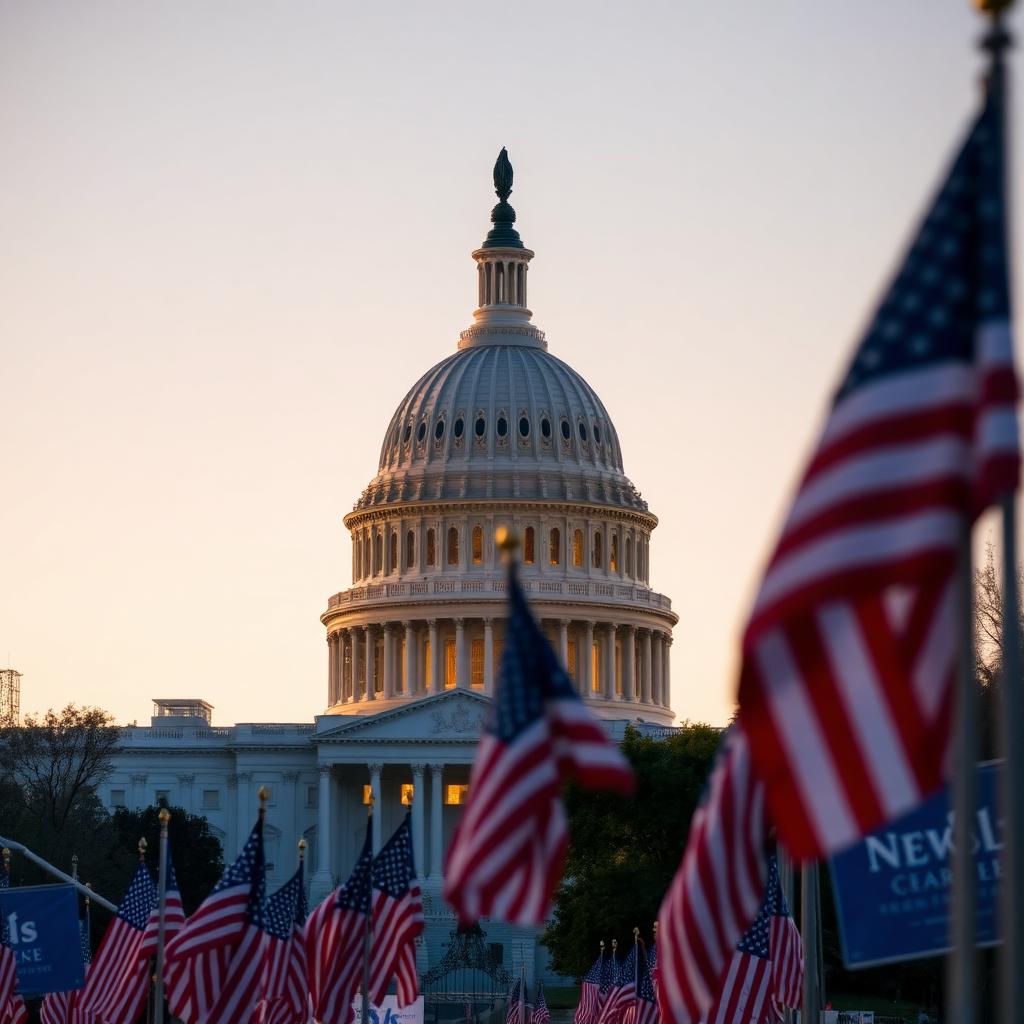
Washington — Eighteen months before the first primary vote, the 2028 U.S. presidential race is already taking clear shape. Federal Election Commission filings, super-PAC formation, and a flurry of early-state travel by would-be candidates paint a competitive picture in both parties.
On the Democratic side, three governors — Josh Shapiro of Pennsylvania, Wes Moore of Maryland, and Gretchen Whitmer of Michigan — have each attended more than a dozen early-state events since January. Senators Ruben Gallego and Raphael Warnock have also stepped up national appearances. Vice President candidacies remain unclaimed until after the midterms.
Republicans face a broader field. Governor Ron DeSantis of Florida is winding down his second term and has signaled interest. Senator J.D. Vance is testing themes of industrial policy and family formation. Governor Brian Kemp of Georgia, term-limited in January 2027, is a rising establishment favorite. Nikki Haley continues to lead among moderate donors, though her operation is smaller than in 2024.
Much depends on the November 2026 midterms. Control of the House and Senate is genuinely uncertain, with Cook Political Report currently rating 27 House races as toss-ups. A wave in either direction would rearrange the 2028 map.
Money flows are already telling. Democratic PACs raised 187 million dollars in the first half of 2026, up 34 percent over the equivalent period in 2022. Republican-aligned outside groups pulled in 214 million dollars over the same span.
Strategists caution against reading too much into early positioning. 'The country changes fast,' said longtime Democratic consultant Anita Dunn. 'Two years is more than enough time for a completely different candidate to become inevitable.'
Related Stories
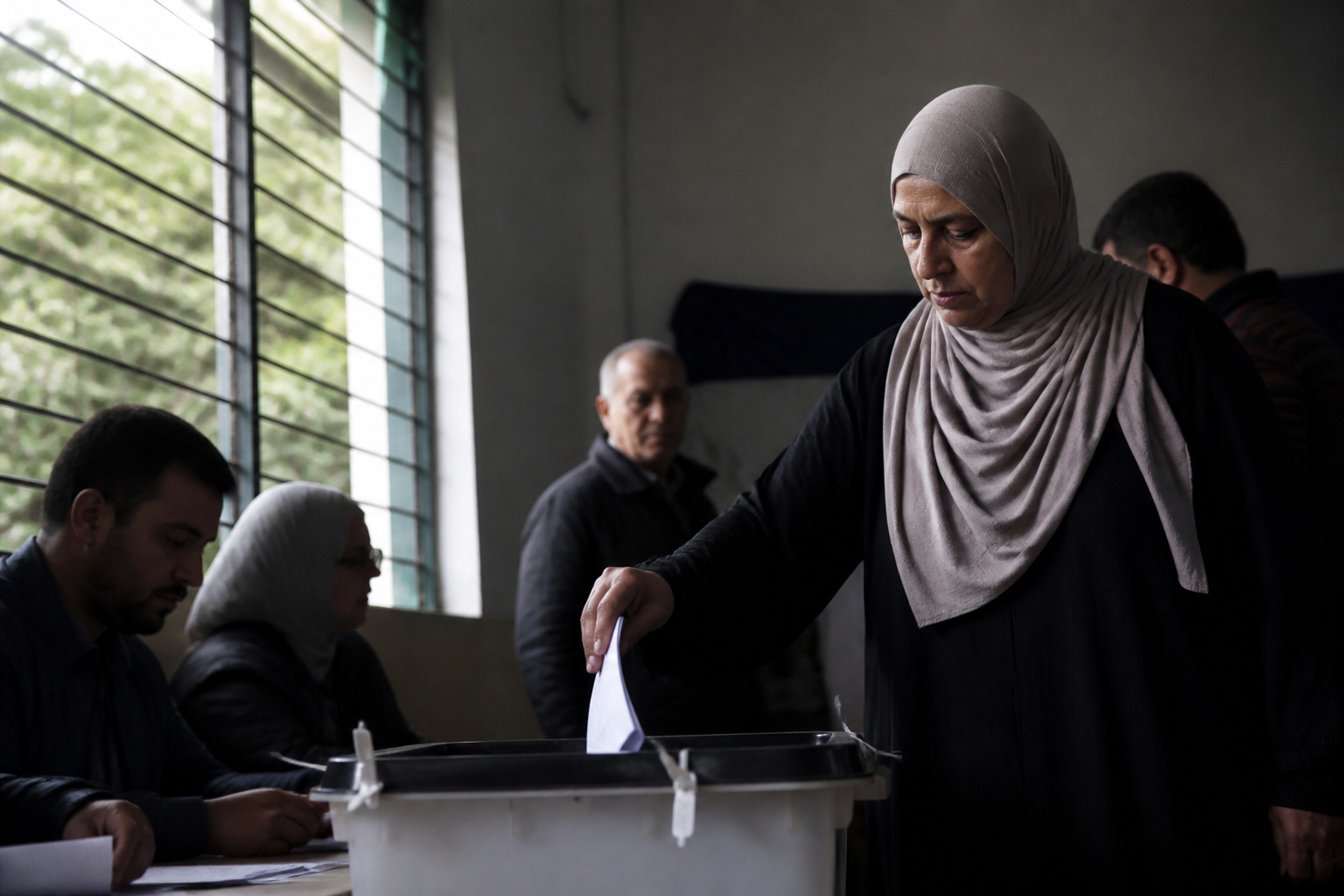
Election Season Tests the Resilience of Democracies
A record number of countries head to the polls in a year that will shape the global order.
July 6, 2026
Landmark Ruling Redefines Digital Privacy Rights
A high court decision expands protections over personal data, with sweeping implications for tech firms.
July 5, 2026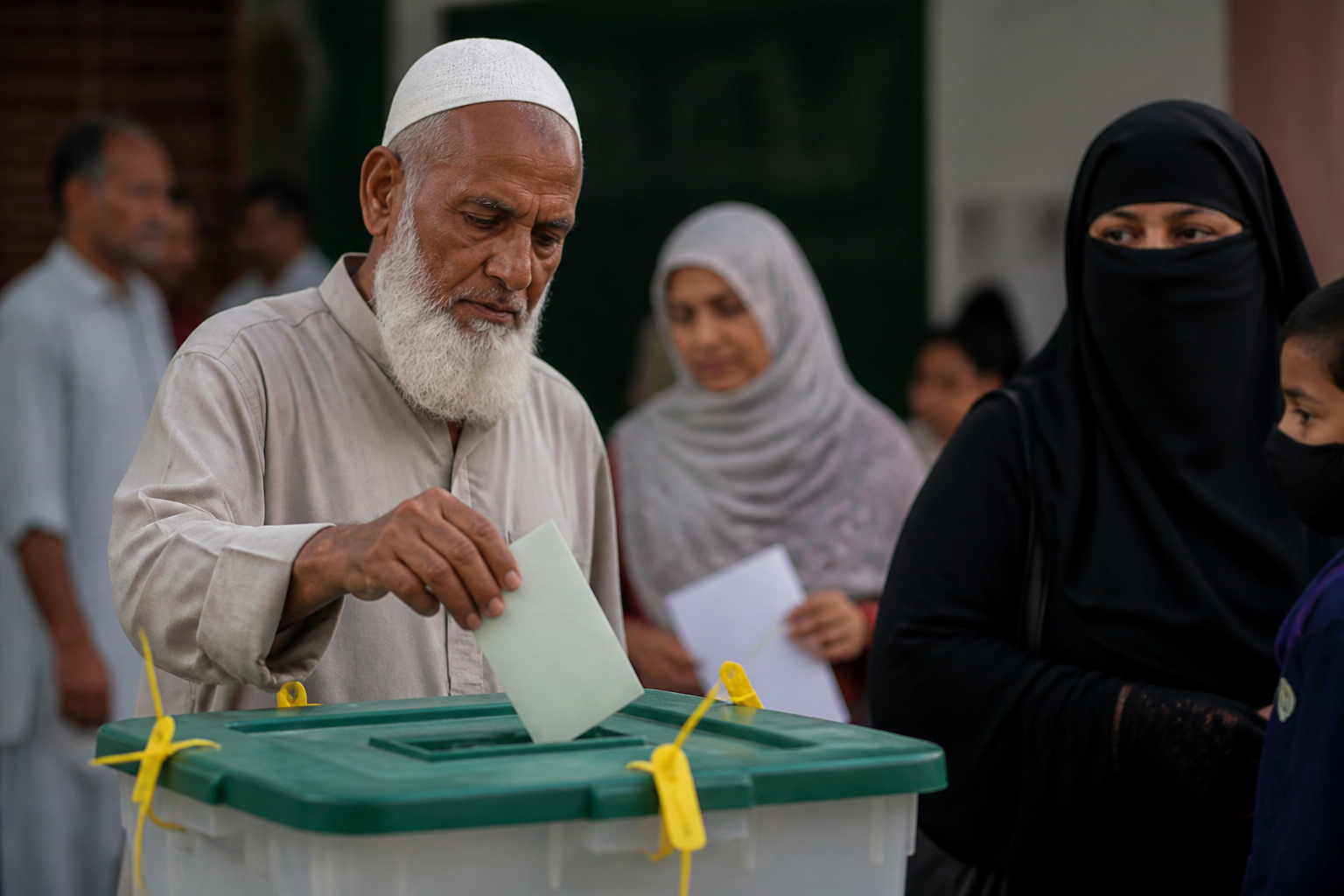
Elections in Focus: A Pivotal Year for Democracies Worldwide
With voters heading to the polls across multiple continents, the outcomes could reshape alliances, economies and the global balance of power.
July 4, 2026