The AI Arms Race: How the World's Tech Giants Are Redrawing the Map
A new generation of models is intensifying competition among the biggest technology companies, raising fresh questions about power, safety and access.
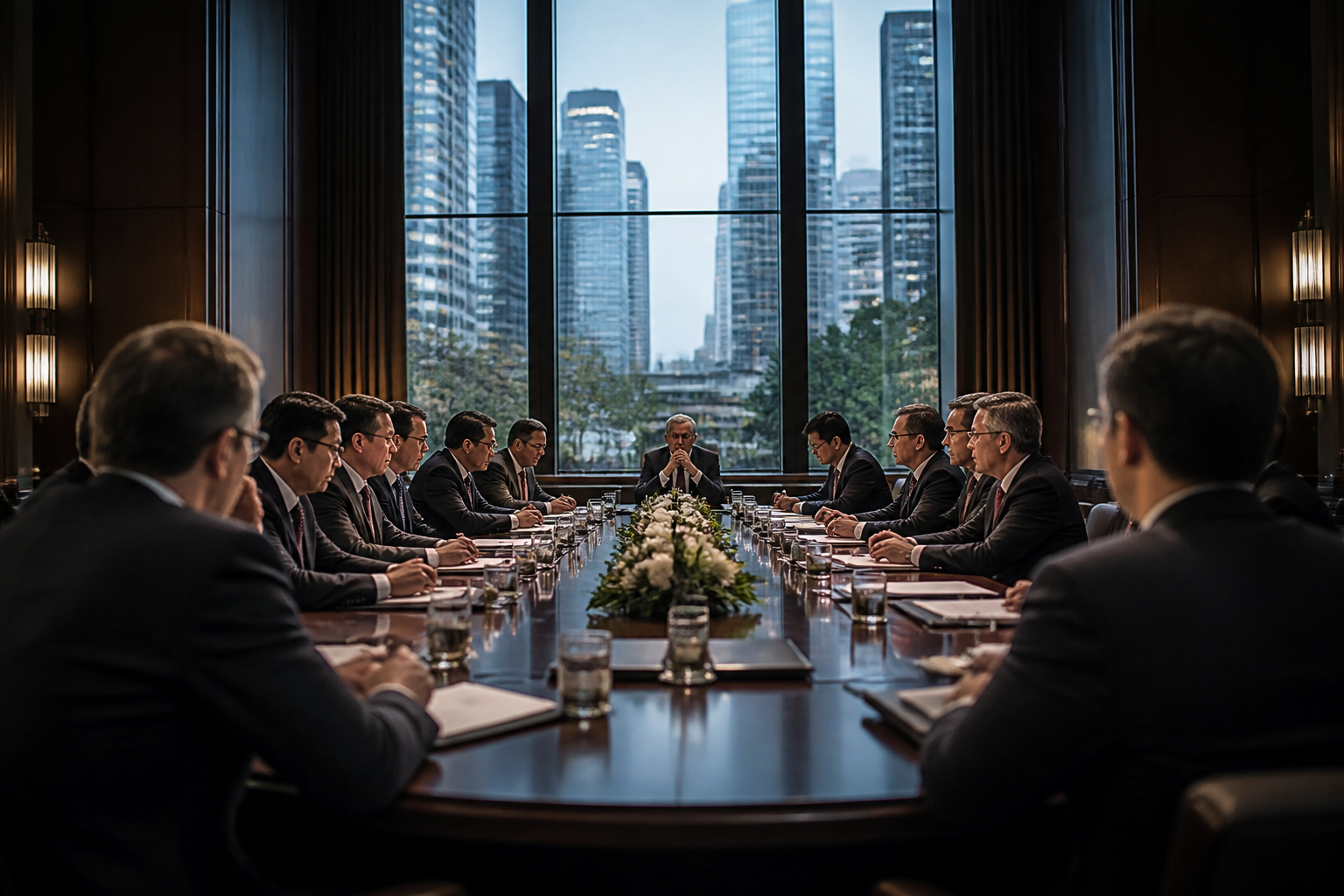
The race to build the most capable artificial intelligence systems has entered a new and more intense phase, with the world's largest technology companies pouring unprecedented resources into research, chips and talent.
The latest models can reason across text, images and code with a fluency that would have seemed implausible only a few years ago. That leap has triggered a scramble for computing power and a fierce contest to define the standards that will shape the next decade of software.
But the acceleration has revived difficult questions. Who controls these systems? How are they kept safe? And will access be concentrated in the hands of a few dominant players, or distributed more broadly?
Regulators around the world are moving to catch up, drafting rules on transparency, accountability and the use of AI in sensitive domains. Meanwhile, a wave of startups is betting that openness and specialization can carve out space against the giants.
What is certain is that the technology is no longer a distant prospect. It is reshaping industries now — and the decisions made in the coming years will echo far beyond the tech sector.
Related Stories
EU AI Act Phase Two: What the July 2026 Rules Mean for Global Tech
The next tranche of the EU AI Act takes effect this month, forcing foundation-model providers to disclose training data, safety tests, and copyright compliance worldwide.
July 10, 2026
AI Agents Go Mainstream: How Autonomous Assistants Are Reshaping Work in 2026
Autonomous AI agents that plan, book and execute tasks end-to-end have moved from demos to daily tools inside major companies.
July 9, 2026
Quantum Computing Crosses a Threshold: First Verified 'Useful Advantage'
A joint experiment reported this week claims the first verifiable quantum advantage on a commercially relevant chemistry problem, marking a real inflection point.
July 8, 2026