COP31 in Adelaide: Nations Agree on Historic Fossil Fuel Phase-Down Timeline
Delegates from 197 countries adopted the Adelaide Framework, committing to cut fossil-fuel production 43% by 2035 and triple renewable capacity within a decade.
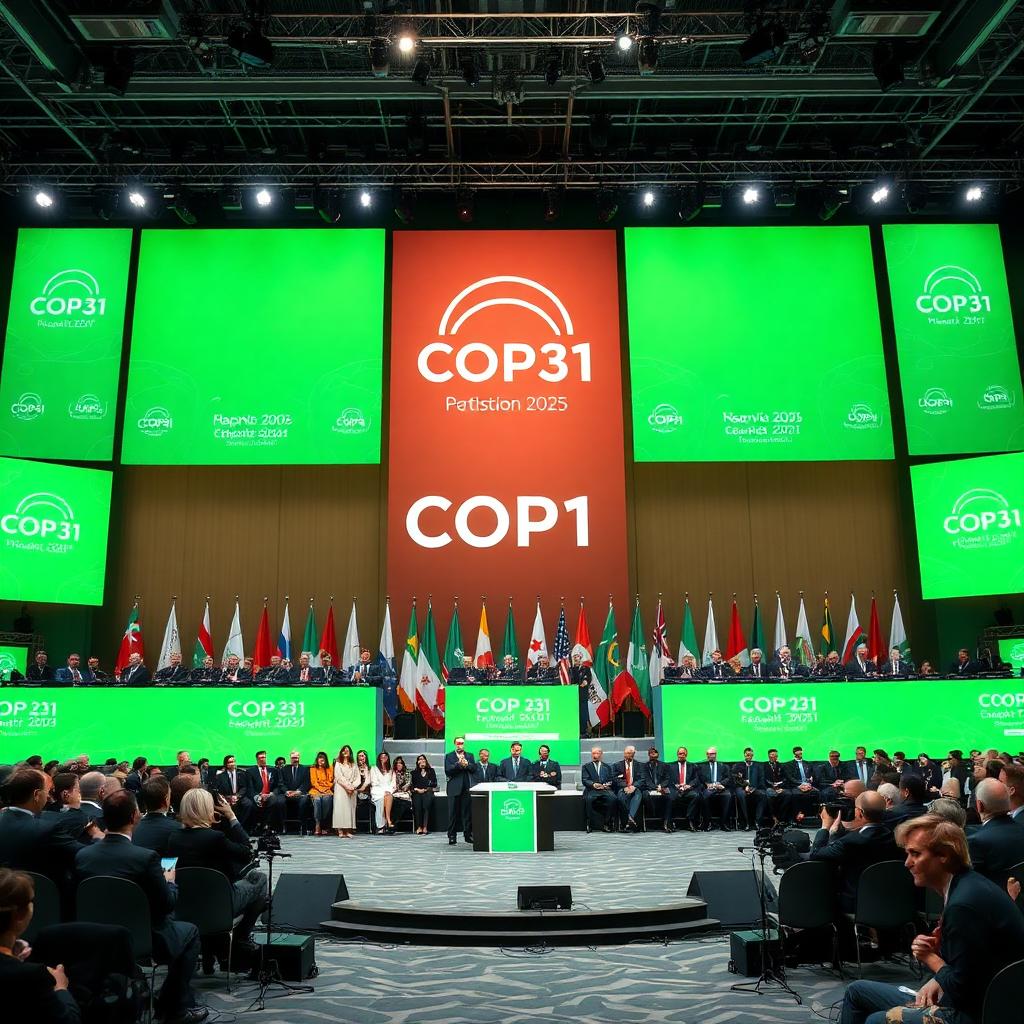
Adelaide — After 14 days of tense negotiations, COP31 closed with what climate diplomats are calling the most ambitious energy deal since Paris. The Adelaide Framework sets a joint fossil-fuel production ceiling, a legally reviewable phase-down curve, and a 300-billion-dollar annual climate finance target for developing economies by 2032.
Australia's presidency won early praise for restructuring the talks around implementation rather than aspiration. A working group co-chaired by Kenya and Norway broke a longstanding deadlock over loss-and-damage funding by tying disbursements to independently verified adaptation projects.
Major emitters made specific commitments. The United States pledged to cap oil and gas output at 2024 levels through 2030. The European Union accelerated its coal exit to 2029. China agreed to peak coal-fired generation by 2027, two years earlier than previously stated. India secured concessional finance for a 200-gigawatt solar expansion in exchange for a firm 2040 coal phase-out.
Oil-producing states resisted the strictest language, but Saudi Arabia and the UAE ultimately signed on after gaining recognition of carbon-capture pathways for hard-to-abate industries. Small island states, led by Tuvalu and Barbados, hailed the finance package but warned that 1.5 degrees remains 'on life support.'
Environmental groups cautiously welcomed the outcome. 'For the first time we have numbers, dates, and a review mechanism,' said Christiana Figueres, the former UN climate chief who attended as an observer. Business leaders were more emphatic: BlackRock, Ørsted, and Iberdrola announced expanded renewable investment plans within hours of the gavel.
Attention now turns to national implementation. Countries must submit updated NDCs by February 2027, and the first Adelaide compliance review is scheduled for COP33 in Kigali.
Related Stories
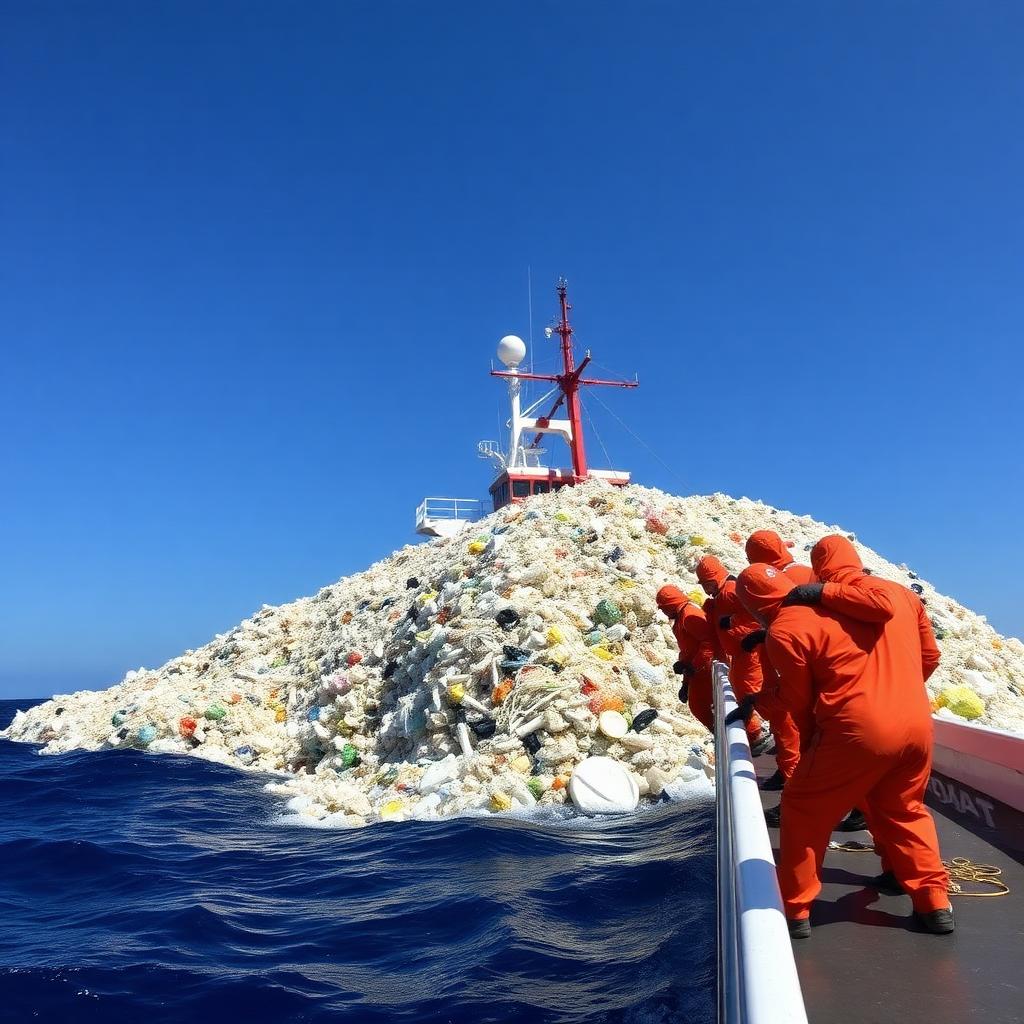
Ocean Plastic Cleanup Program Removes One Million Tons Milestone
A coalition of nonprofits, shipping firms, and coastal states hit the one-million-ton mark this month, but scientists warn upstream policy remains the decisive lever.
July 8, 2026
Historic Climate Accord Sets Binding 2035 Emissions Targets
Nations agreed on legally binding interim targets and a fund to help developing economies decarbonize faster.
July 8, 2026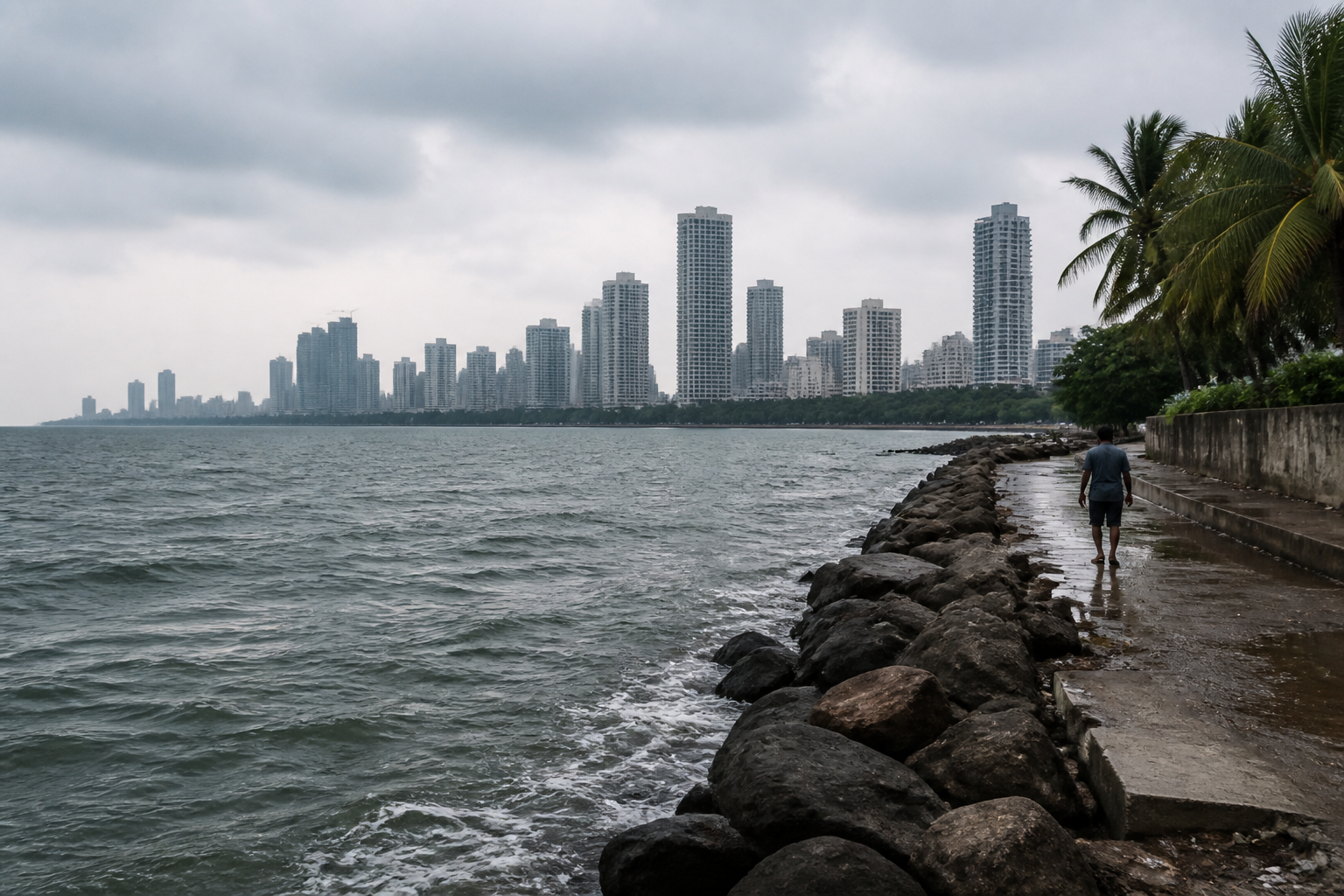
Coastal Cities Race to Adapt as Sea Levels Climb
From Jakarta to Miami, urban planners are rethinking infrastructure to survive rising tides.
July 8, 2026