Ocean Plastic Cleanup Program Removes One Million Tons Milestone
A coalition of nonprofits, shipping firms, and coastal states hit the one-million-ton mark this month, but scientists warn upstream policy remains the decisive lever.
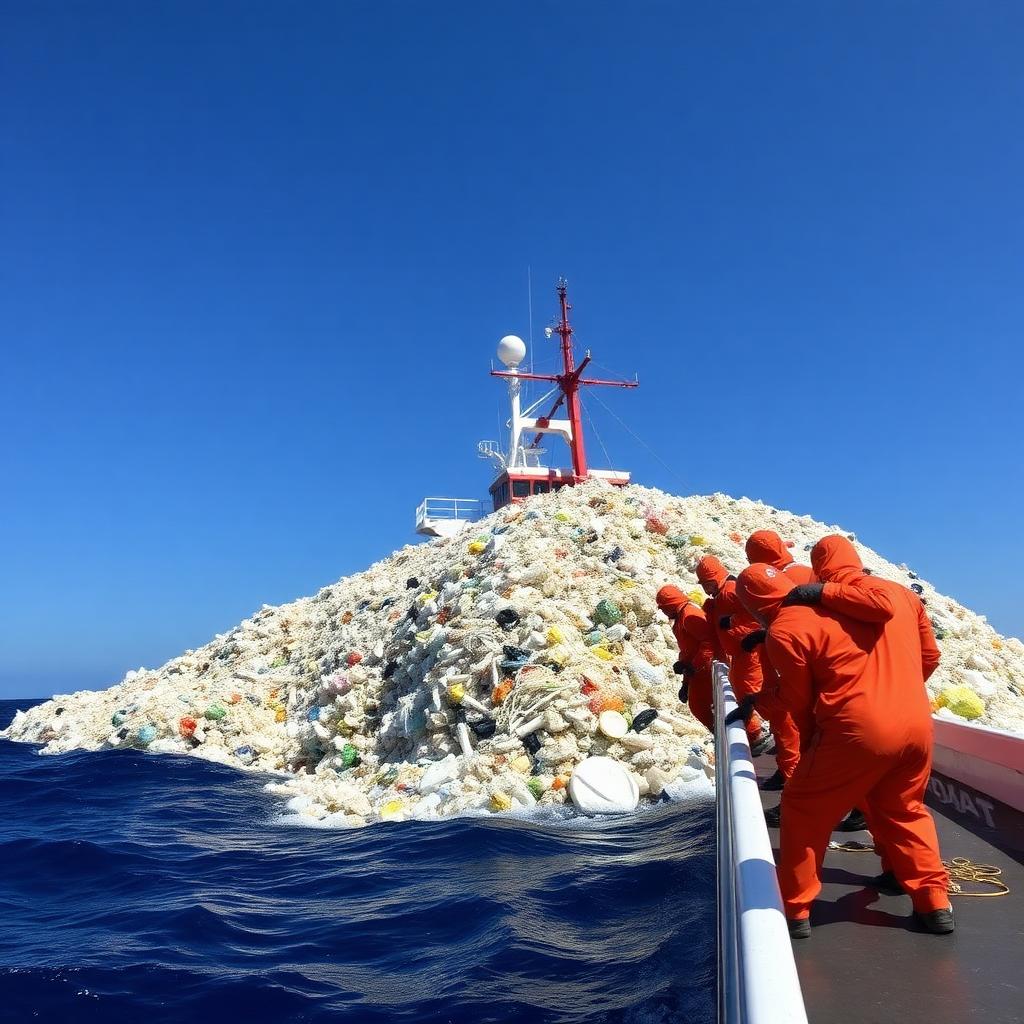
Rotterdam — A global ocean-cleanup coalition led by The Ocean Cleanup, Ocean Voyages Institute, and Ren Ocean this week crossed a symbolic threshold: one million metric tons of plastic removed from oceans, rivers, and coastlines since 2018. Recovery operations now span the Great Pacific Garbage Patch, 43 major rivers, and coastal cleanup networks in 27 countries.
The milestone reflects a maturing operational model. Interceptor systems in rivers now capture waste before it reaches the sea, while ocean-going systems have moved from prototype toward fleet-scale operations. Recycled plastic is increasingly used in consumer products and, more recently, in construction materials with certified circular content.
Scientists are cautious about the headline number. Global plastic production still exceeds 460 million tons per year, and only about 12 percent is recycled. 'You cannot cleanup your way out of this,' said Jenna Jambeck of the University of Georgia. 'Every ton pulled out is meaningful, but upstream policy is the decisive lever.'
That policy is finally moving. The UN Global Plastics Treaty, agreed last November after four years of negotiations, sets binding caps on virgin plastic production for signatory countries and phases out several high-leakage single-use categories. Implementation begins in 2027.
Corporate action is also shifting. Unilever, Nestlé, and Coca-Cola have all published updated plastic-reduction plans this year, with third-party verified progress metrics. Retailers in the EU are trialing full deposit-return systems for beverage packaging.
The cleanup coalition's next target is five million tons by 2030 — ambitious, but aligned with a growing scientific consensus that cleanup, prevention, and policy must move together to meaningfully reduce ocean plastic within a generation.
Related Stories
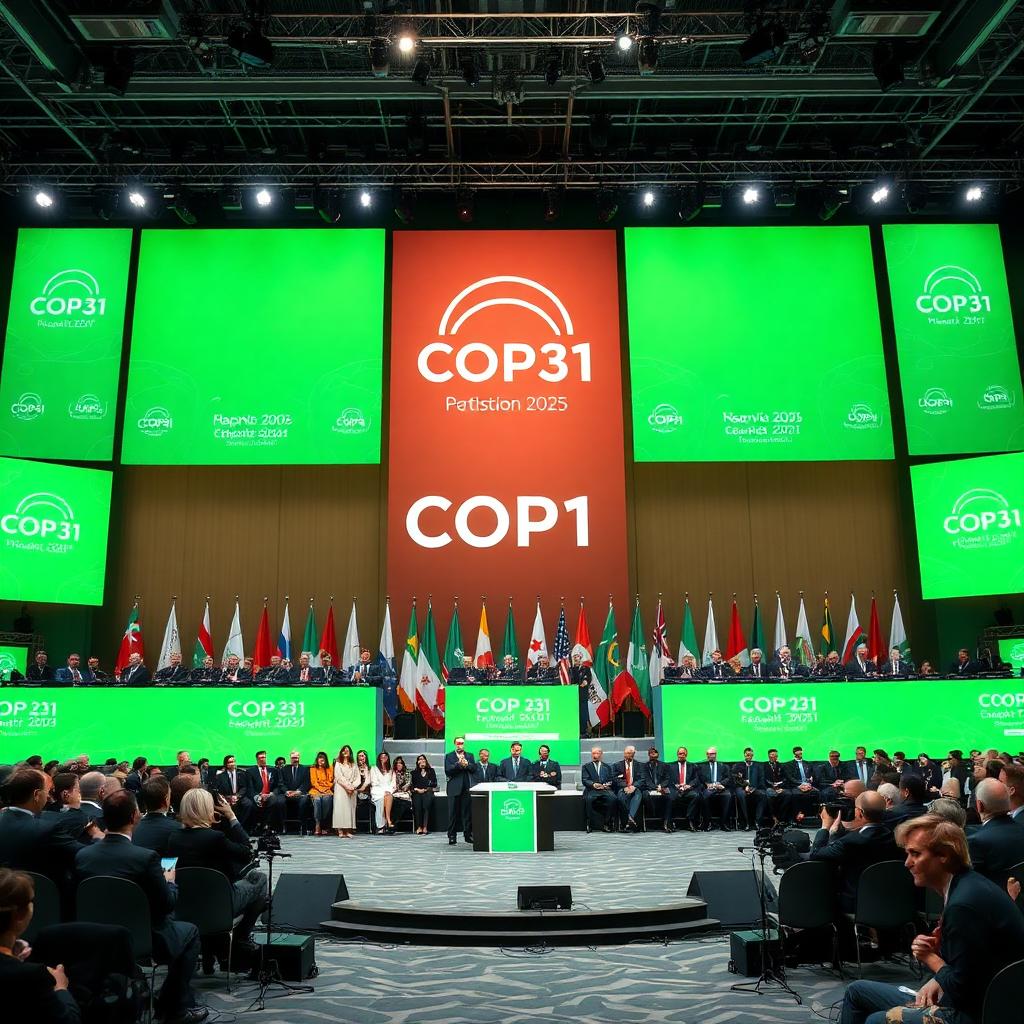
COP31 in Adelaide: Nations Agree on Historic Fossil Fuel Phase-Down Timeline
Delegates from 197 countries adopted the Adelaide Framework, committing to cut fossil-fuel production 43% by 2035 and triple renewable capacity within a decade.
July 10, 2026
Historic Climate Accord Sets Binding 2035 Emissions Targets
Nations agreed on legally binding interim targets and a fund to help developing economies decarbonize faster.
July 8, 2026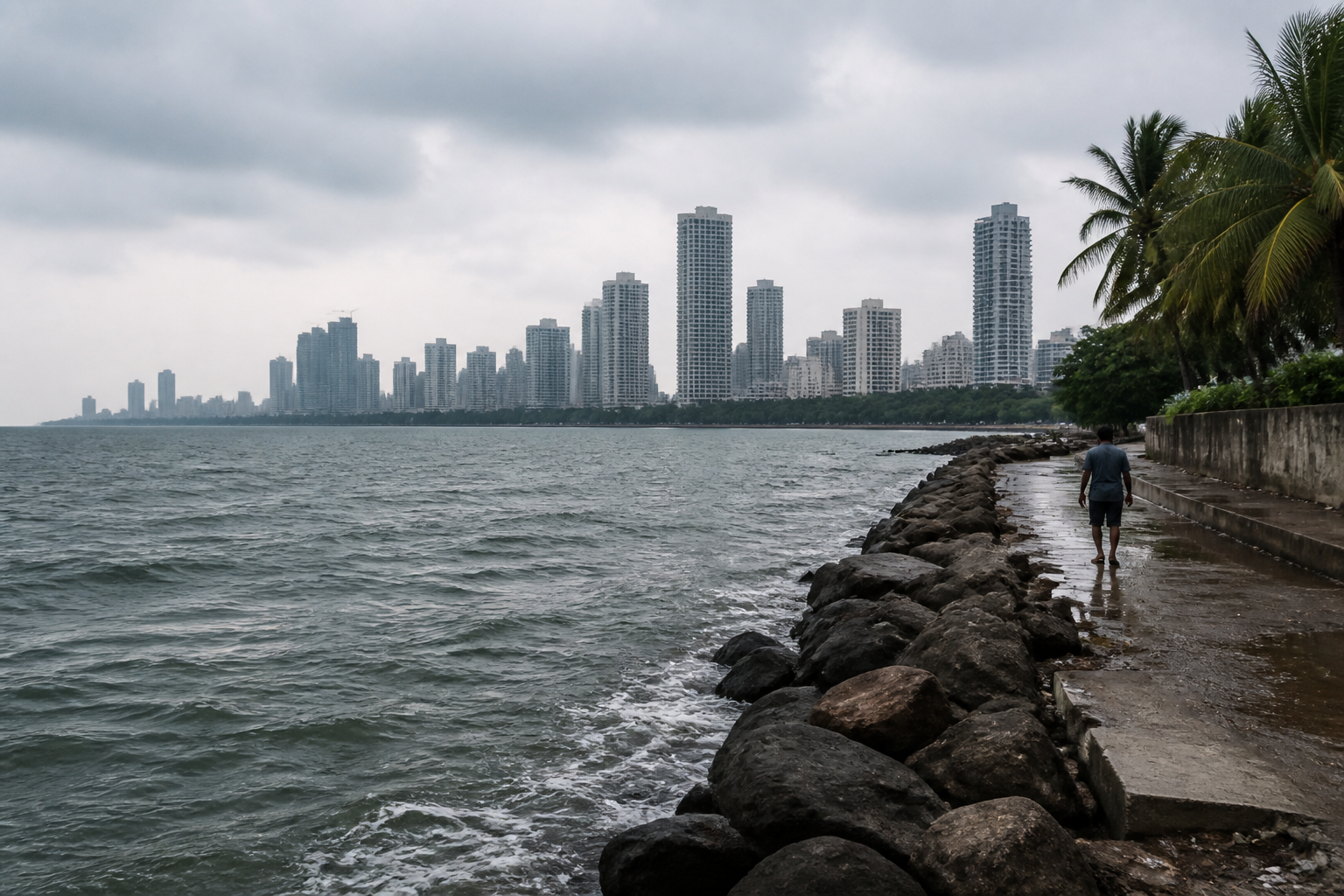
Coastal Cities Race to Adapt as Sea Levels Climb
From Jakarta to Miami, urban planners are rethinking infrastructure to survive rising tides.
July 8, 2026